Entry-Level FIFA Agent Salary: What the Job Actually Pays

Training compensation is a vital aspect of FIFA’s regulations aimed at ensuring fair rewards for clubs that invest in the training and development of young players. These rules are part of the FIFA Regulations on the Status and Transfer of Players (RSTP) and are designed to promote the development of soccer talent globally by compensating clubs for their efforts and investments.
Last updated: 03/10/2026
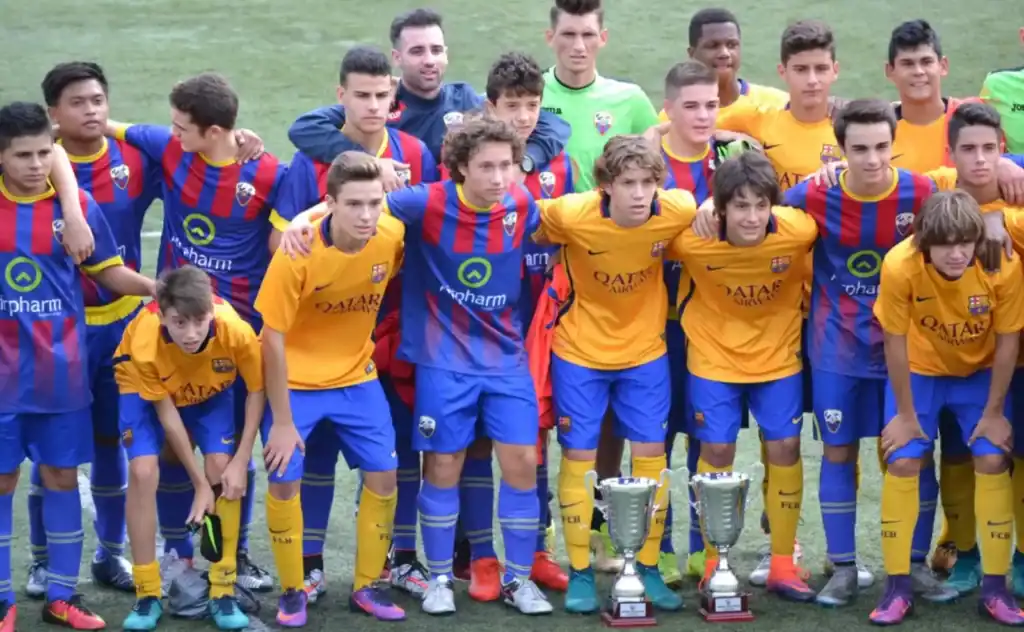
Training compensation is a vital aspect of FIFA’s regulations aimed at ensuring fair rewards for clubs that invest in the training and development of young players. These rules are part of the FIFA Regulations on the Status and Transfer of Players (RSTP) and are designed to promote the development of soccer talent globally by compensating clubs for their efforts and investments.
Training compensation is a financial payment made to a player’s former club(s) when the player signs his first professional contract or when he is transferred between clubs of different associations before the end of the season of his 23rd birthday. The aim is to reward clubs that have invested in the training and development of young players.
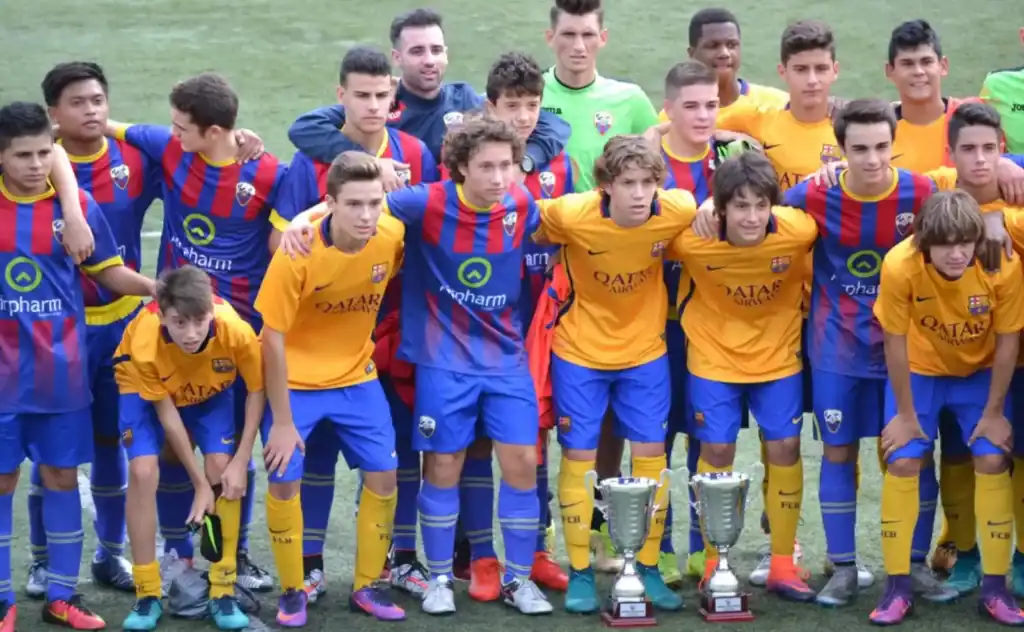
Let's consider two hypothetical examples to illustrate how training compensation works in practice.
Example 1: Player's First Professional Contract
John Doe has been with Club A from his 12th birthday until his 15th birthday and with Club B from his 16th birthday until his 18th birthday. He signs his first professional contract with Club C, a club in a different association. According to FIFA regulations, Club C must pay training compensation to both Club A and Club B.
A football season begins on 1 July of one year and ends on 30 June of the following year. The age taken into account is the age of the player on 31 December of the season in question.
Calculation:
Therefore, Club C owes a total of $70,000 in training compensation to be distributed between Club A and Club B.
Example 2: Transfer Before Age 23
Jane Smith has been with Club X from age 12 to 18 and with Club Y from age 19 to 21. She is transferred to Club Z, a club in a different association, before the end of the season of her 23rd birthday. Club Z must pay training compensation to both Club X and Club Y.
Calculation:
Therefore, Club Z owes a total of $135,000 in training compensation to be distributed between Club X and Club Y.
Training compensation ensures that clubs are incentivized to invest in youth development. It helps smaller clubs, which often function as nurseries for young talent, to sustain their operations and continue developing future soccer stars. This system also promotes competitive balance by supporting clubs that might not have the financial power to retain their young talents but contribute significantly to their development.
Understanding the intricacies of training compensation is crucial for those preparing for the FIFA exam. This knowledge is not only important for passing the exam but also essential for practical application in professional scenarios. Mastery of training compensation rules enables professionals to navigate and manage the financial and legal aspects of player transfers effectively. It ensures compliance with FIFA regulations, prevents disputes, and facilitates smooth transitions for players. Being well-versed in these regulations demonstrates a thorough understanding of FIFA's commitment to fair play and equitable development in soccer, which is vital for any aspiring soccer executive or legal advisor.
FIFA’s training compensation mechanism plays a crucial role in the soccer ecosystem by acknowledging and rewarding the efforts of clubs that focus on youth development. It ensures a fair redistribution of resources within the soccer community, fostering the growth of the sport worldwide. By understanding and adhering to these regulations, clubs can contribute to a more balanced and equitable soccer landscape.
By using these sources, you can access detailed and up-to-date information on training costs and the current regulations for accurately calculating training compensation in real-world scenarios.