Gol International: Pini Zahavi's Agency, Its Players, and Its Business Model

A sports journalist, player agent, and then president of Olympique de Marseille, Pape Diouf had a unique journey in French soccer. A look back at the career of a key figure who influenced the world of soccer, from the media to behind the scenes of the transfer market.
Last updated: 05/07/2026
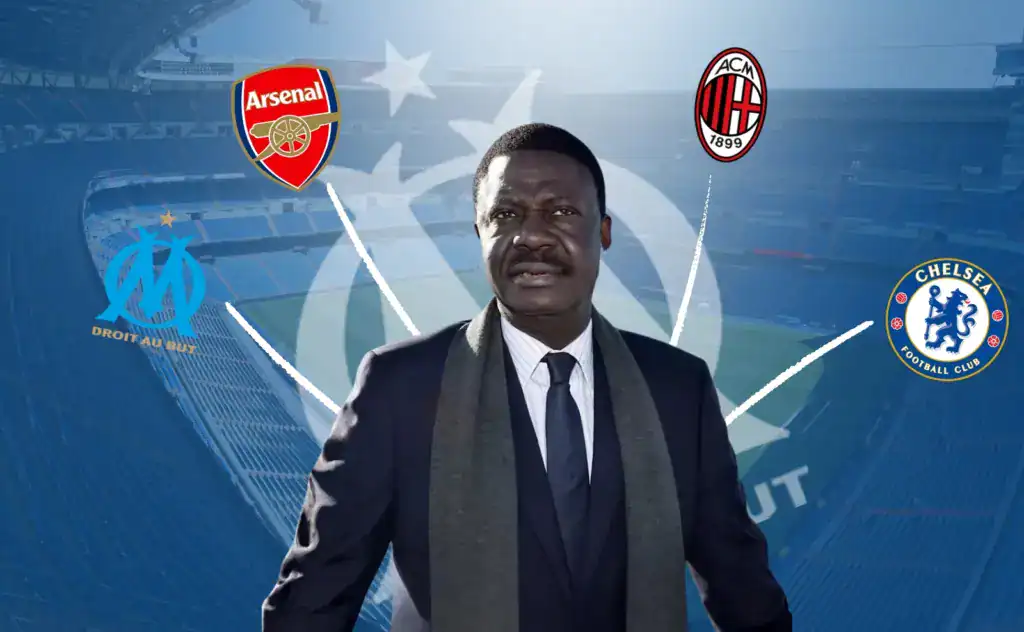
The name Pape Diouf is closely associated with modern French soccer. Over the course of his career, he moved from sports journalism to player representation, and eventually to leading a professional soccer club, becoming a highly influential figure in the soccer world.
Pape Diouf’s career path was anything but typical for a sports executive. He first built his reputation as a journalist, before going on to become one of the most prominent agents of the 1990s, and later serving as president of Olympique de Marseille.
Let’s take a closer look at Pape Diouf’s professional journey, from his early days in journalism to his transition into player representation, the impact he made as an agent, and the players he represented throughout his career.
Pape Diouf was a prominent figure in French soccer. He had a rare and unconventional career path in the soccer industry, and took on several key roles:
Born in 1951 in Chad to a Senegalese family, Pape Diouf spent his childhood between Africa and France. His passion for soccer led him into sports journalism, where he quickly gained recognition for his sharp analysis and direct style.
In the 1990s, the Senegalese journalist transitioned into the role of agent, a field that was still relatively unstructured at the time. Thanks to the network he had built during his years in journalism, as well as the trust he earned from players, he went on to support several major careers in soccer history and establish himself as a respected figure in the industry.
From 2005 to 2009, Pape Diouf served as president of Olympique de Marseille, where he became known for his close relationship with fans, his vision of soccer, and his outspoken views.
After leaving Marseille, the former club president remained a respected voice in sports media, regularly contributing to discussions on the evolution of the game.
Pape Diouf passed away on March 31, 2020, in Dakar, leaving behind the legacy of a passionate soccer leader and a respected executive. To this day, he remains one of the most important figures in French soccer.
No. Pape Diouf was never a professional soccer player. His connection to the game began in sports journalism, before he moved into player representation, where he supported several high-profile names in soccer. Later becoming president of Olympique de Marseille, he remained one of the key figures in French soccer, despite never having played professionally.
Pape Diouf began his career in the newspaper La Marseillaise in the 1980s, where he notably covered Olympique de Marseille. His articles stood out for their direct, analytical style and were widely appreciated for their ability to break down both on-field performances and the inner workings of the game.
Through his work, he developed close relationships with players and sports executives, giving him a firsthand understanding of how professional soccer operates. Over the years, Pape Diouf built a strong reputation in the sports press. It was this experience that eventually led him to take a deeper interest in player representation.
This period provided him with several essential skills for his role as a player agent:
In the early 1990s, Pape Diouf moved into player representation. At the time, the profession was still largely unstructured, with many intermediaries involved in transfers and little in the way of formal regulation..
Thanks to the skills he had developed as a journalist, and the network he had built, Pape Diouf quickly established himself in the world of soccer agents.
Diouf’s shift into player representation did not happen overnight. He initially worked as an advisor to a number of players, helping them better understand transfer negotiations and make informed career decisions.
As the sport evolved and demand for professional agents grew, Pape Diouf gradually made it his primary focus, officially becoming a sports agent.
His role was to negotiate contracts and support his clients’ career paths. He was also actively involved in transfer deals, always aiming to protect both their sporting and financial interests.
Unlike some high-profile agents, such as Jorge Mendes, Pape Diouf favored a more human and discreet approach. He was widely respected for his loyalty to players and his long-term vision.
This reputation for trust eventually allowed him to represent several top-level, internationally recognized players.
During his career as a player agent, Pape Diouf worked with several major figures in soccer from the 1990s through the early 2000s. Known for his relationship-driven approach and careful career management, he built strong bonds of trust with players competing in Europe’s top leagues.
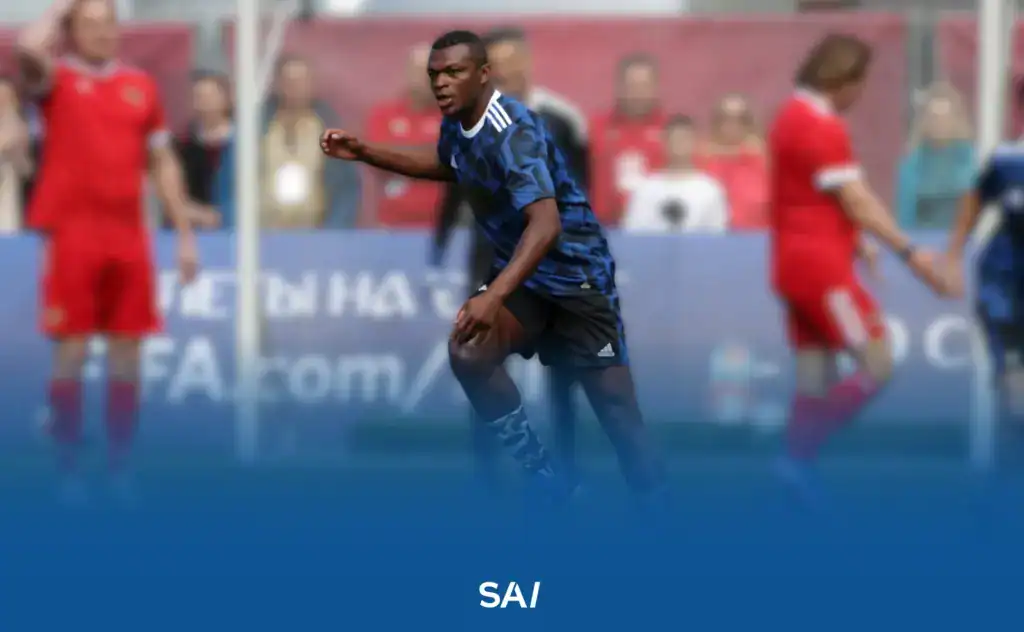
Marcel Desailly, a legend of French soccer, won the 1998 World Cup with France and the UEFA Champions League with Olympique de Marseille and AC Milan. This former center-back, known for his strength and tactical intelligence, had an outstanding career at the highest level.
Pape Diouf notably supported him during several key moves to top European clubs, including:
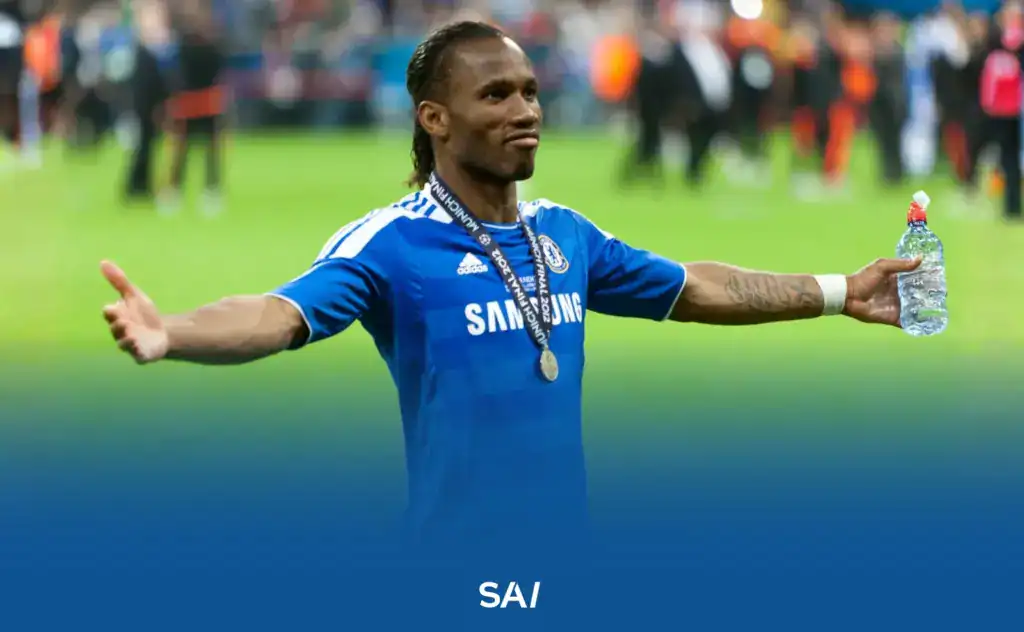
Didier Drogba, one of the greatest African players of his generation, was represented by Pape Diouf early in his professional career. There was a genuine relationship of trust between the Ivorian player and the Senegalese agent.
“That was Pape, he was capable of giving and trusting” - Didier Drogba
The player first made a name for himself at Guingamp before joining Olympique de Marseille, then moving to Chelsea FC, where he managed to help the club win its first UEFA Champions League title in 2012.
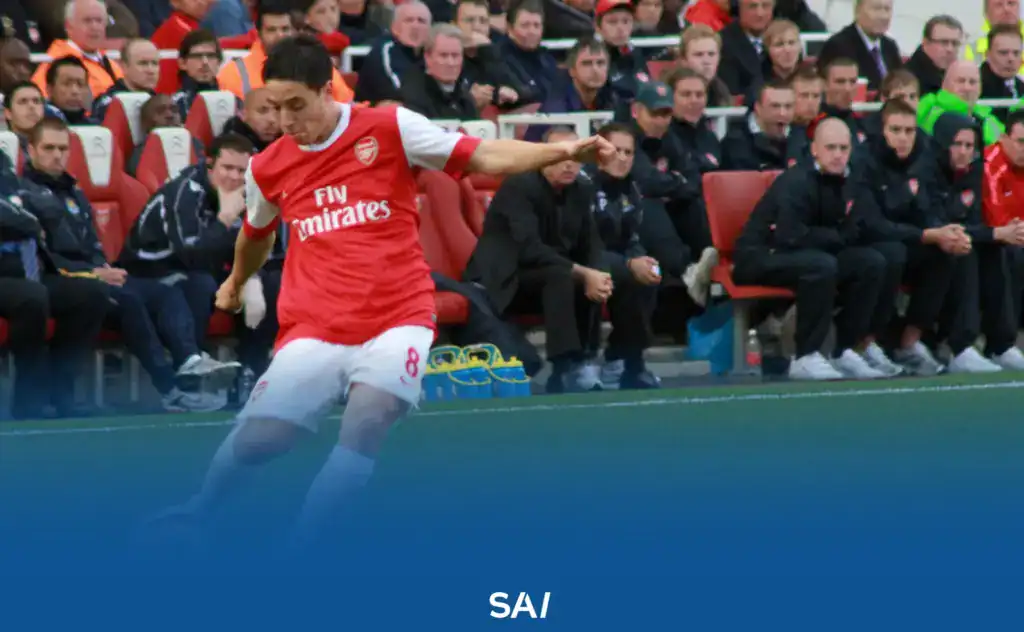
French attacking midfielder Samir Nasri, a Marseille native and trained at Olympique de Marseille, was represented by Pape Diouf from a very young age. Diouf became his agent when he was just 14 and remained by his side through the signing of his first professional contract.
Samir Nasri quickly established himself as one of the most promising players of his generation, particularly known for his vision and passing ability. In addition to Olympique de Marseille, he went on to play for several major European clubs, including:
In 2004, Pape Diouf joined Olympique de Marseille as sporting director president Christophe Bouchet, before becoming club president himself the following year.
His appointment in 2005 marked a historic moment in soccer, as Pape Diouf became the first Black president of a major European club.
Beyond its symbolic significance, the OM president stood out for his steady leadership, a strong connection with supporters, and a return to greater sporting stability.
During Pape Diouf’s presidency, Marseille regained a certain level of competitiveness. The club reached the Coupe de France final in both 2006 and 2007, and finished as Ligue 1 runner-up in 2007 and 2009.
The Senegalese president led the club until 2009, in what is widely seen as a rebuilding phase. Over these four seasons, several notable players came through the team, including:
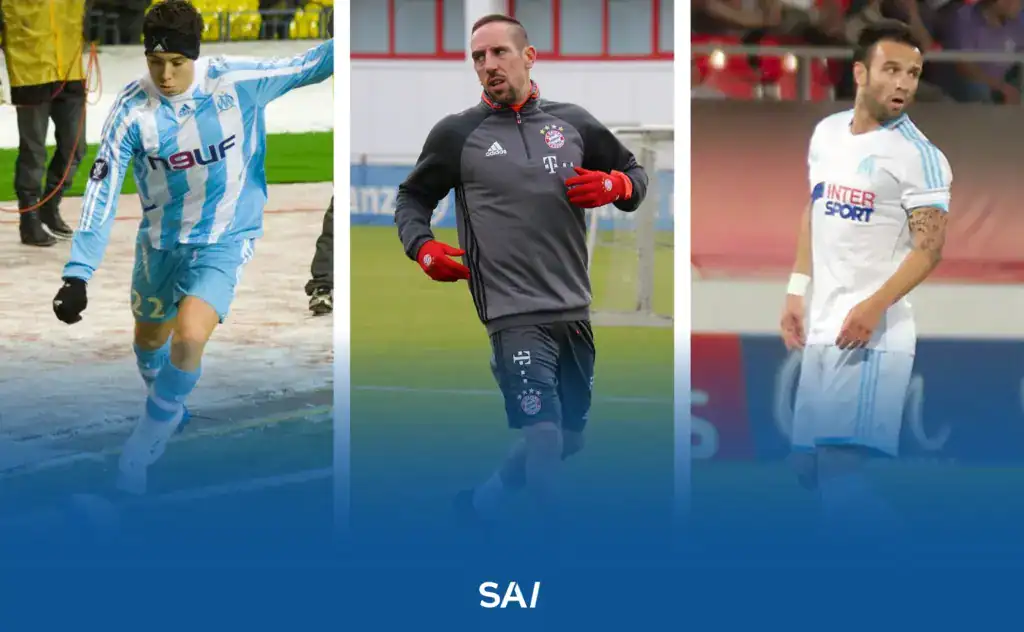
Pape Diouf also maintained a unique connection with Marseille supporters. He was known for engaging directly with fan groups, explaining the club’s decisions, and defending its identity as a people’s club.
This approach earned him a level of popularity rarely seen for a club president, notably thanks to his accessibility and authenticity, highly valued by Marseille fans.
Pape Diouf’s unconventional career left a lasting mark on French soccer. From sports journalist to player agent, and eventually president of Olympique de Marseille, he successfully made his mark across several key roles within the soccer world.
Within the agent community, Pape Diouf will remain widely respected for his relationship-driven approach and long-term vision, particularly at a time when the profession was still largely unstructured.
In Marseille, his presidency is associated with a period of renewed stability and a strong connection with supporters.
Beyond his roles, Pape Diouf will also be remembered a respected voice in soccer, known for his candor and sharp insights into the evolution of the game.
Even today, his journey stands out as one of the most unique in French soccer and continues to inspire many figures across the sport.