Moussa Sissoko Agent: Who Is Ousmane Dembélé's Advisor?

Sports agents typically operate behind the scenes in professional soccer, frequently garnering attention only during transfer windows when player movement dominates headlines. However, their influence permeates every aspect of the beautiful game, extending far beyond those crucial weeks of contract signings and deal negotiations. These professionals function as intermediaries, master negotiators, strategic advisors, and reputation managers, supporting elite soccer players through every dimension of their careers—both on and off the pitch.
Over the past two decades, soccer has undergone profound globalization and professionalization, fundamentally transforming how clubs operate and players develop. The sports agent has emerged as a strategic linchpin within this evolving ecosystem, possessing the acumen to identify emerging talents early in their careers and guide them from youth academy prospects to multi-million-dollar contractual arrangements. Whether shepherding a promising academy product through their first professional contract or orchestrating a blockbuster transfer between top-tier clubs, agents have become indispensable to modern soccer operations.
This comprehensive examination explores the multifaceted role of the sports agent: the essential responsibilities they shoulder, the diverse skill sets required, and the evolving landscape of this increasingly professionalized sector of the game.
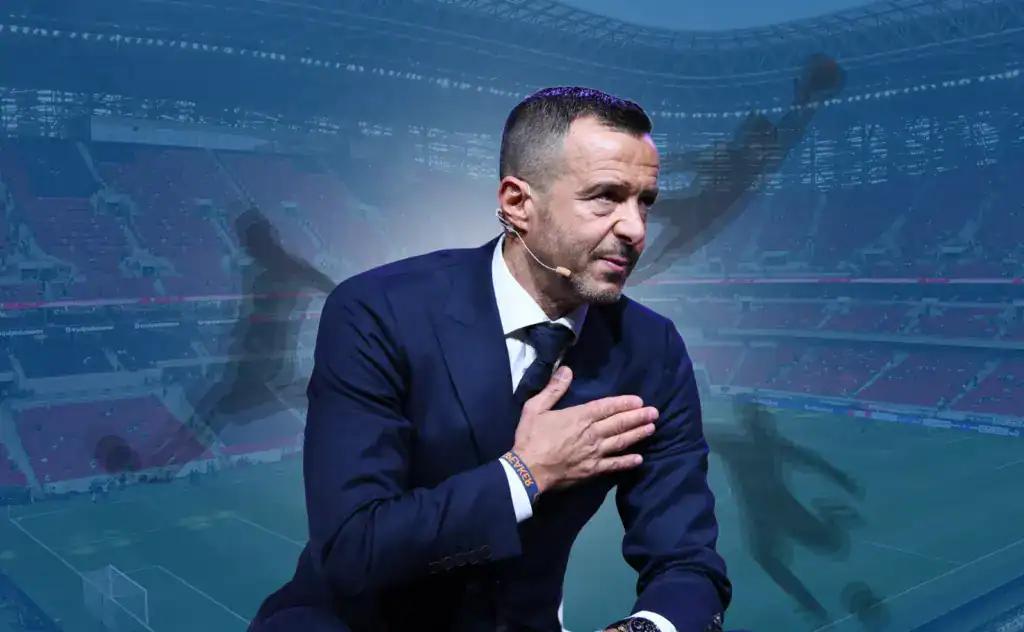
A sports agent serves as a pivotal stakeholder in professional soccer. While most represent players exclusively, agencies increasingly handle representation for managers, coaching staff, and occasionally clubs themselves. Their responsibilities extend well beyond pen-and-paper contract signings; agents are charged with shepherding their clients throughout their entire playing careers, ensuring consistent athletic development, robust financial positioning, media visibility, and protection of personal brand equity.
Effective sports agents operate across multiple critical dimensions:
Sporting Development: Comprehending the player's aspirations and technical capabilities, identifying clubs with compatible project ambitions, and recognizing strategic opportunities for advancement.
Legal Matters: Ensuring full compliance with contractual obligations, meticulously analyzing contract clauses, navigating international transfer regulations, and protecting client interests within complex FIFA frameworks.
Financial Optimization: Structuring favorable salary packages, organizing diverse revenue streams (base salary, performance bonuses, image rights, sponsorships), and managing fiscal planning for long-term security.
Brand Management: Cultivating marketability, brokering lucrative commercial partnerships, managing public perception, and orchestrating rapid damage control during media controversies.
Personal Advocacy: Guiding significant life decisions, facilitating successful relocation for international moves, and providing counsel to player families navigating the pressures of elite soccer.
Historically, the sports agent profession operated within a largely unregulated landscape plagued by conflicts of interest and ethical transgressions. Vague legislation created opportunities for exploitation and manipulation of young players and their families.
Recognizing these systemic issues, FIFA implemented transformative regulations in 2023 through the FIFA Football Agent Regulations (FFAR), establishing a comprehensive framework designed to protect players and professionalize the entire sector. This landmark reform established four foundational principles governing all certified sports agents:
These regulations fundamentally shifted the profession from an informal, relationship-dependent sector to a regulated, accountable industry with enforceable standards.
The contemporary sports agent juggles responsibilities spanning sports management, legal affairs, financial planning, and strategic communications. Functioning as the architect of a player's career trajectory, agents champion their clients' interests while simultaneously navigating complex negotiations with clubs, governing bodies, and commercial partners.
Four essential pillars form the foundation of modern sports agent work, each absolutely critical to thriving in soccer's increasingly competitive marketplace.
While contract negotiation represents the profession's most visible dimension, it requires sophisticated strategic thinking. Behind every high-profile transfer, contract renewal, or initial professional agreement lies extensive agent groundwork.
The agent's work commences months before contract execution. They must conduct rigorous analysis of the player's market valuation, identify clubs whose playing philosophy and project timeline align with career objectives, establish preliminary contact with sporting directors and club decision-makers, and construct comprehensive negotiation strategies. The overarching objective remains unwavering: securing the most favorable possible terms for the athlete.
Beyond contract logistics, sports agents function as trusted career architects and strategic mentors. They craft individualized long-term career roadmaps considering the player's technical abilities, realistic potential, personality dynamics, and personal preferences. This requires consistency in decision-making philosophy, ensuring each career move reinforces established objectives rather than pursuing short-term financial gains at the expense of sporting development.
Accomplished agents recognize that not every lucrative contract represents the optimal career decision for every player.
Contemporary professional soccer operates within extraordinarily complex administrative and regulatory frameworks. International transfers alone demand navigation of intricate procedural requirements: coordination across multiple national soccer associations, acquisition of International Transfer Certificates (ITCs), compliance with financial fair play regulations, and adherence to FIFA transfer windows and deadlines.
While sports agents frequently collaborate with specialized sports law practitioners, comprehensive understanding of these regulatory landscapes remains essential to their function. Agents serve as crucial legal guardians for their clients, preventing costly errors, contract disputes, and regulatory violations that could jeopardize career progression.
In contemporary professional soccer, a player's public image constitutes a valuable strategic asset. Sponsorship revenue, endorsement opportunities, and commercial partnerships frequently rival or exceed on-pitch earnings for elite performers. Sports agents orchestrate multifaceted brand management strategies, collaborating with social media specialists, photographers, marketing consultants, and public relations professionals.
Their mission encompasses protecting reputational integrity, defusing negative publicity and controversies, developing distinctive personal brands that resonate with sponsors and fan bases, and capitalizing on media opportunities when circumstances align favorably. Poor communication management or reputational missteps can substantially derail career trajectories and financial opportunities.
Succeeding as a sports agent demands substantially more than superficial soccer knowledge. The profession requires cultivation of diverse, complementary skill sets applied strategically according to situational demands.
| Competency | Essential Elements |
|---|---|
| Negotiation Proficiency | Ability to defend the player’s interests and create win-win agreements. |
| Soccer Market Expertise | Knowledge of clubs, budgets, sporting dynamics, and leagues. |
| Sports Law Mastery | Understanding contracts, FIFA regulations, and sports law. |
| Strategic Communication | Clarity, persuasion, and handling sensitive relationships. |
| Professional Networking | Maintaining a strong network of coaches, sporting directors, and scouts. |
| Ethical Foundation | Respect for the player, transparency, and regulatory compliance. |
No singular university degree serves as a mandatory prerequisite for sports agent careers. However, FIFA's 2023 regulatory framework requires all practicing agents to obtain official FIFA agent licensure before representing clients professionally.
Aspiring agents must successfully complete FIFA's annual examination, a rigorous assessment evaluating knowledge of regulations, ethical standards, and operational protocols. While formal tertiary education remains optional, specific academic disciplines provide significant professional advantages:
These educational backgrounds provide foundational knowledge applicable to agent responsibilities, though professional experience often proves equally or more valuable than formal credentials.
The sports agent sector has undergone remarkable transformation in recent years. Contemporary agents function as multidisciplinary professionals wielding substantial influence over player careers and club operations.
This evolution resulted from multiple convergent factors: stricter FIFA regulatory frameworks, professionalization of player representation agencies, increased reliance on data analytics for player valuation, expansion of social media's role in brand development, soccer academies' growing sophistication, and players' increasingly complex expectations regarding comprehensive career management.
What once constituted an informal profession dominated by charismatic individuals has become a structured, professionally regulated industry with transparent accountability mechanisms and standardized operational requirements.
Key changes include:
The sports agent profession has been defined by transformational figures whose influence occasionally surpasses that of their most celebrated clients. These pioneers fundamentally altered soccer's professional landscape through innovation and strategic vision.
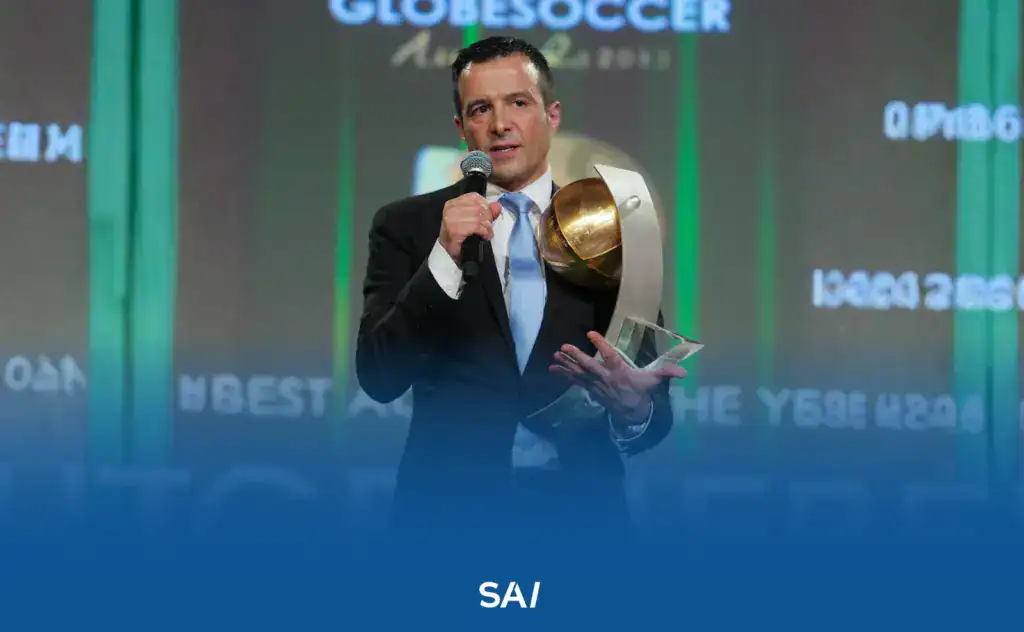
Jorge Mendes is arguably the most publicized agent in the world. As Cristiano Ronaldo’s agent, he revolutionized the agent’s role through a global business vision and a rare ability to build long-term careers. He also founded the Gestifute agency, which has become one of the most powerful structures in world soccer.
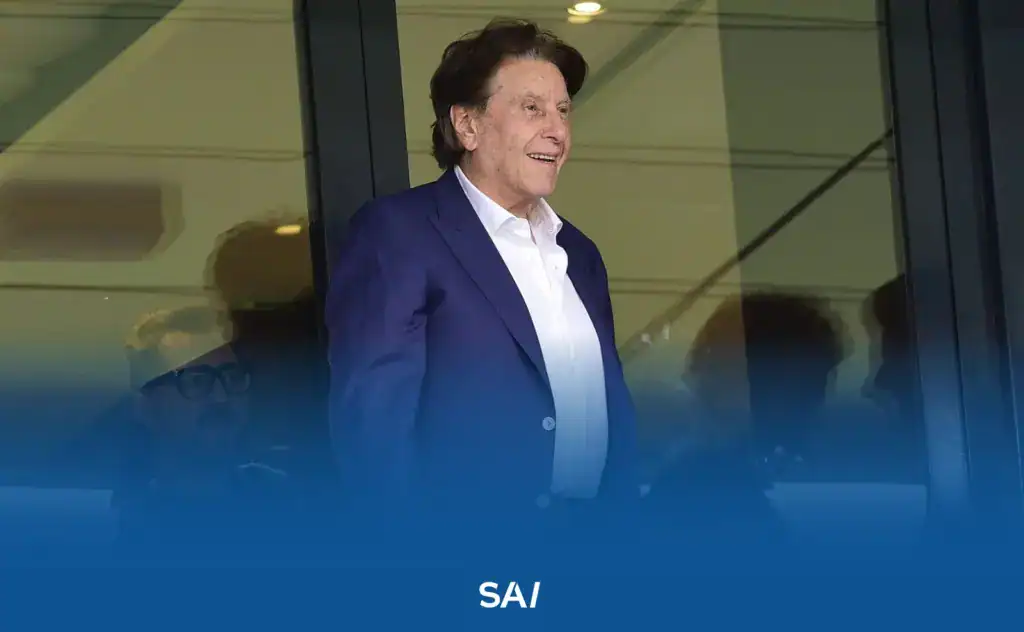
Pini Zahavi is one of the most influential agents in modern soccer. He has handled major transfers, notably Neymar’s move to PSG. A formidable negotiator, he now heads one of the leading soccer agencies: Gol International.
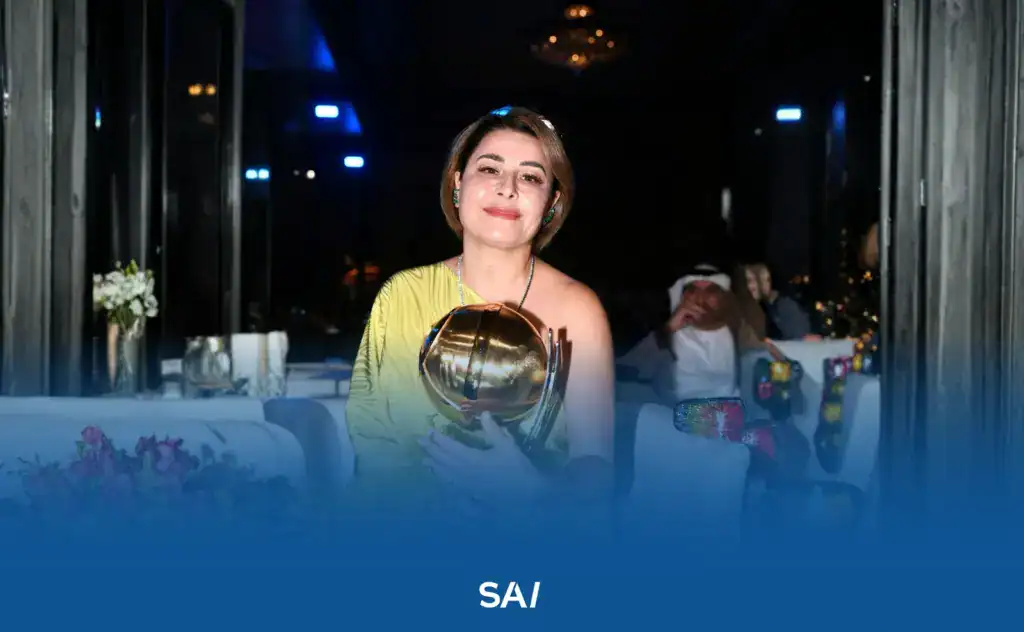
Successor to Mino Raiola, she quickly became a central figure in the profession. A trained lawyer, Rafaela Pimenta combines regulatory expertise, strong market insight, and a deeply human approach to the player-agent relationship. Now leading the agency founded by Raiola, she manages some of the most sought-after players in the transfer market.
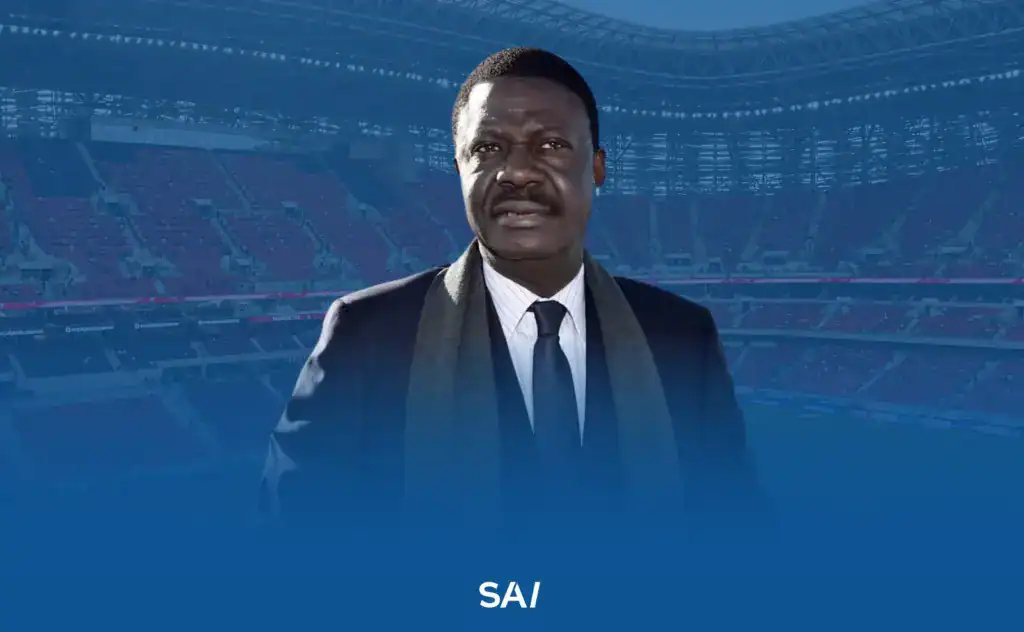
A journalist turned agent and later president of Olympique de Marseille, Pape Diouf embodies a unique path in French soccer. Representing Didier Drogba among others, he perfectly illustrates the diversity of profiles who enter the agent business and the power of networking in this industry.
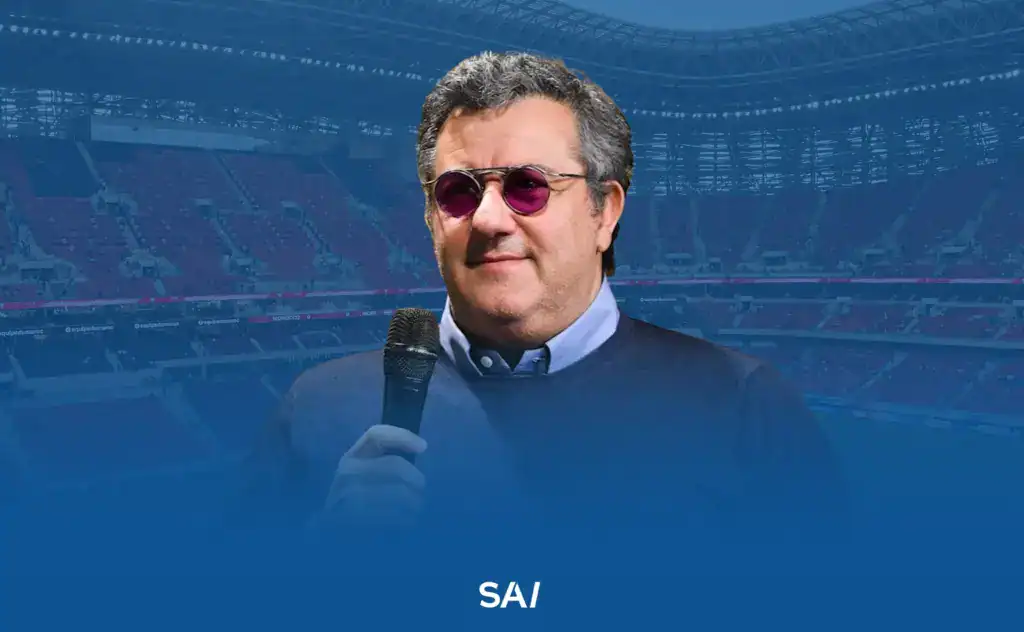
An iconic and controversial figure in world soccer, Mino Raiola represented some of the most influential players of his generation (Paul Pogba, Zlatan Ibrahimović, Erling Haaland). His aggressive negotiating style and his ability to influence major transfers transformed the balance of power between agents, clubs, and players.
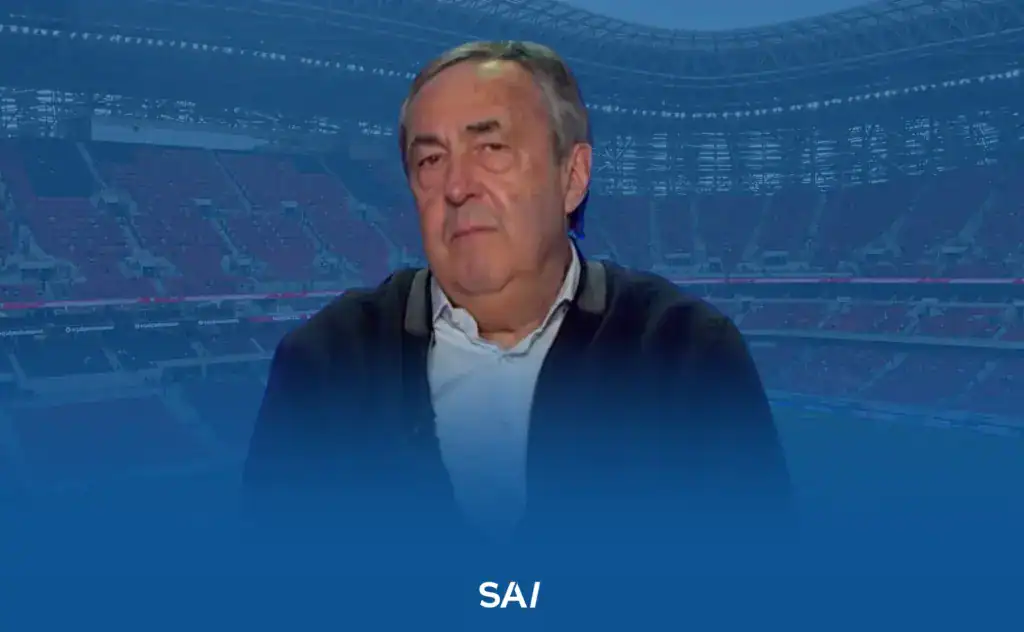
A historic figure in French soccer, Jean-Pierre Bernès went from managing director of Olympique de Marseille to becoming one of the most influential agents in Ligue 1, representing notably Didier Deschamps, Franck Ribéry, and Samir Nasri. His career path demonstrates the evolution of representation practices, now regulated under the FFAR.
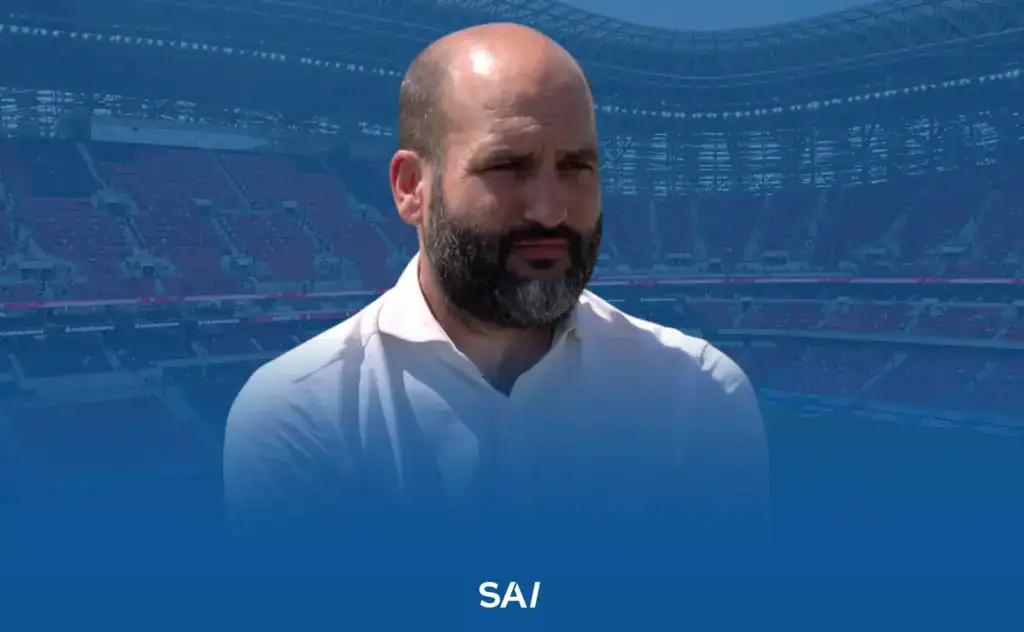
A Spanish FIFA agent and a central figure at Sports Entertainment Group (SEG), Pere Guardiola has represented world-class players such as Luis Suárez, Andrés Iniesta, and Thiago Alcántara. His hybrid profile — agent, entrepreneur, and president of Girona FC — highlights the new frontiers of the agent business and the regulatory challenges tied to conflicts of interest.
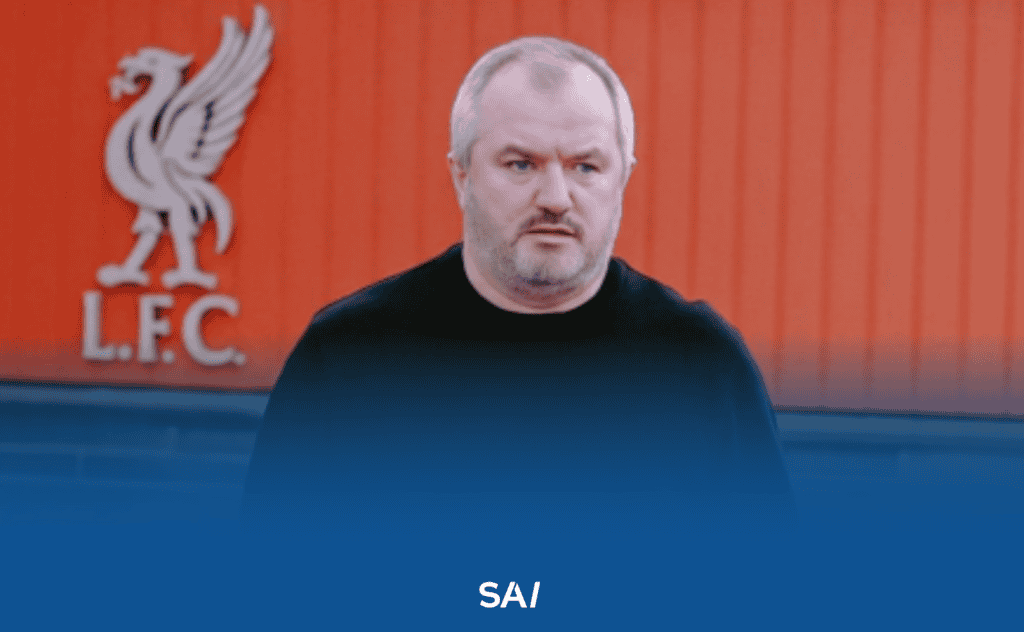
A former player who came through the Yugoslav second division, Vlado Lemic has become one of the most influential figures behind the scenes of the European transfer market. Without holding a FIFA license, he operates as an adviser alongside licensed partners and has had a bearing on major deals such as Luka Modrić's transfer to Real Madrid and Alexander Isak's to Liverpool. His career illustrates the line between sporting advisory work and the regulated profession of agent.
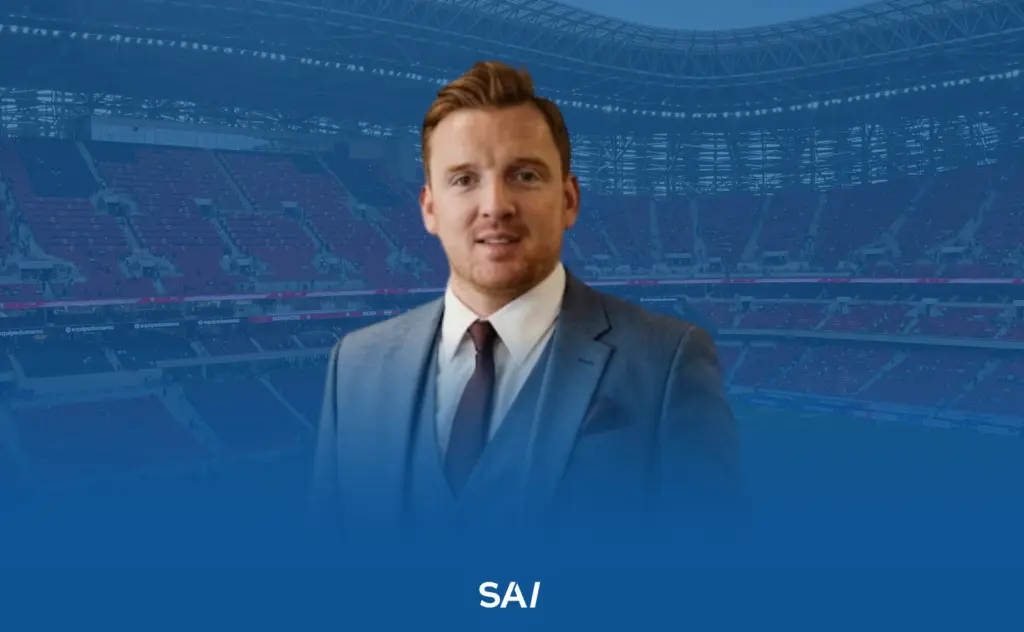
With no professional playing career behind him, Will Salthouse started his company in 2008 with a single client and now runs Unique Sports Group, ranked among the five largest agencies in world soccer. This British FIFA agent illustrates a rare career path in the profession, that of someone with no initial profile who reaches the biggest deals on the transfer market.
The contemporary sports agent role transcends traditional transfer brokering, representing instead a versatile, strategically sophisticated profession synthesizing sports management, legal expertise, financial planning, and communication strategy. Amid intensifying FIFA regulation and soccer's continuous modernization, agents have become indispensable catalysts enabling players to navigate increasingly complex professional environments while optimizing career potential.
Whether orchestrating lucrative contract negotiations, identifying transformational career opportunities, safeguarding client interests, or strategically developing distinctive personal brands, sports agents directly shape their clients' professional trajectories and ultimate success. As soccer continues globalizing and professionalizing, their strategic importance will only intensify.