Capology: The Football Salary Database

The FIFA exam, whose latest sessions were held on 28, 29, and 30 April 2026, is a crucial step for aspiring agents and football professionals. Understanding FIFA regulatory documents is essential to succeed in this exam.
Last updated: 13/05/2026
The FIFA exam scheduled for April 28, 29 and 30, 2026, is a crucial step for aspiring football agents and professionals. Understanding FIFA's regulatory documents - highlighted in FIFA Football Agent Exam Study Materials (January 2026 Edition) - and supplementary circulars is essential for success. This article provides a detailed overview of each regulatory document and relevant supplementary circulars.
Since 2025, FIFA has been organising only one exam session per year, which makes it essential to start preparing for 2026 as early as possible.
It's important to note that amendments to FIFA regulations or new regulations coming into effect after the publication of this educational material will not be included in the exam. However, candidates are advised to stay informed about these changes to effectively perform their role as a FIFA-licensed agent once obtained.
As of today, no additional FIFA agent exam is scheduled for 2026. The next session should therefore take place in spring 2027, probably between April and June, based on the schedule of previous sessions organised by FIFA.
The information presented below is currently based on the format and schedule of the 2026 session, pending official communications from FIFA regarding the 2027 exam. As every year, FIFA generally publishes information relating to the exam during the month of January.
As soon as FIFA officially announces the new dates and procedures for the FIFA agent exam 2027, the information will be updated.
To successfully prepare, it is essential to follow the official schedule published by FIFA. From the opening of registrations, the application deadline, the period dedicated to medical accommodations, to the exam days, every step matters. Missing a deadline may result in being unable to sit the exam or change your settings (time slot, language, location). Here are the key dates to remember for the 2026 session:
With the FIFA football agent exam scheduled for 28, 29 and 30 April 2026, candidates must ensure they are well prepared both for the licensing process and for the exam itself. This section provides essential details on the exam structure, requirements, and recent updates to help aspiring football agents navigate the process with confidence.
The exam is conducted exclusively online with remote invigilation, eliminating the need for candidates to travel to a FIFA member association venue.
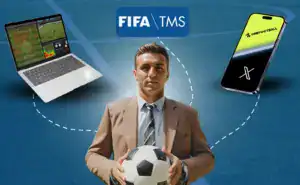
Candidates can take the exam from any private and quiet location, as long as they meet the required technical setup. Public spaces such as cafes or libraries are not permitted. The exam must be taken using both a laptop or desktop computer with a webcam and a smartphone with the FIFA exam app installed. The smartphone serves as an additional monitoring device, ensuring the integrity of the exam.
No professional exemptions are granted, meaning lawyers, accountants, and former players must take the exam like any other candidate.
The exam is open-book, but only FIFA’s official Study Materials can be consulted in digital format. Printed documents, handwritten notes, and external websites are strictly prohibited. Candidates are allowed to select their preferred exam slot and language within the deadlines set by FIFA. However, once the deadline has passed, no further changes will be allowed.
To prevent cheating, FIFA enforces strict monitoring protocols, including live webcam supervision, screen sharing, and mobile camera surveillance. Any attempt to communicate with others, access unauthorized materials, or use prohibited items during the exam will result in immediate disqualification.
A stable internet connection is crucial, as FIFA does not provide technical support for connection issues. If a candidate loses connectivity during the exam, their attempt may be canceled. No breaks are allowed during the exam, including restroom breaks, and leaving the room or closing the exam window will automatically terminate the session.
The results will be published on 4 June 2026. Candidates who do not pass will receive a link via email, allowing them to review their attempt within three days.
In conclusion, thorough preparation for the FIFA exam requires not only a deep understanding of the regulatory documents but also familiarity with the supplementary circulars. We hope this overview aids in your studies and wish you the best of luck in the exam!