Gol International: Pini Zahavi's agency, its players and its model

A former Olympique de Marseille executive who became one of the most influential agents in French football, Jean-Pierre Bernès has built a career marked by success, controversy and strong influence on the transfer market. Discover his journey, the players he has represented and his role in the evolution of the football agent profession.
Last updated: 28/08/2026
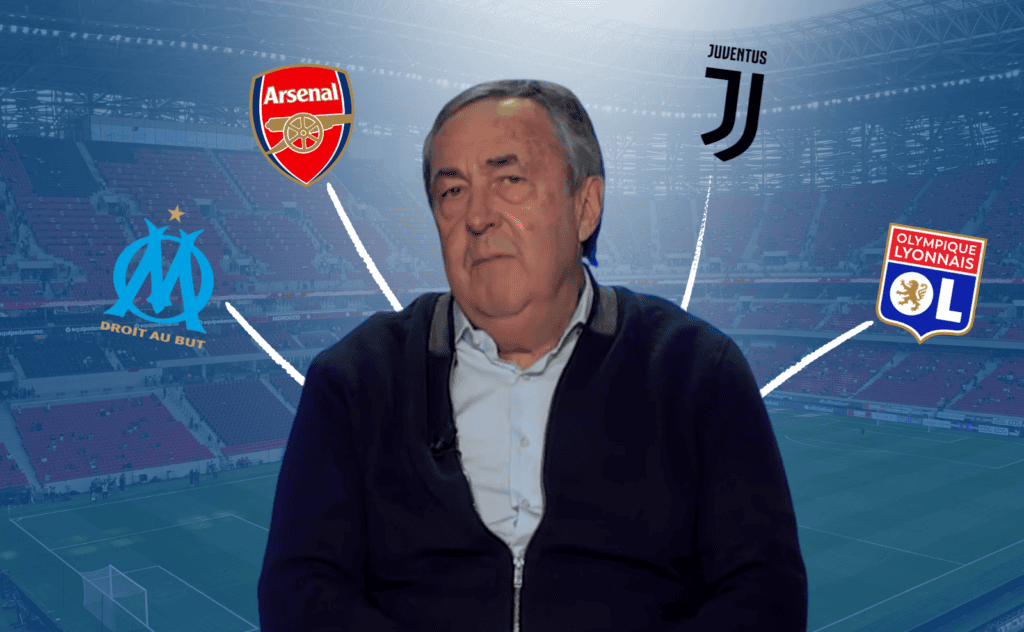
Both a club executive, a central figure in one of the biggest scandals in world football and an influential football agent, Jean-Pierre Bernès embodies one of the most atypical career paths in French football. His career has been marked by success, but also by several controversies that have shaped his image and influence within the industry.
Let us now take a closer look at who Jean-Pierre Bernès is, the players he has represented, and the major stages of his career.
Jean-Pierre Bernès is a highly influential football agent in France. Born on 10 February 1957 in Marseille, he also managed Olympique de Marseille and has close ties with Didier Deschamps and several other major figures in football.
After obtaining a degree in political studies in 1978, he quickly entered the football world as a volunteer at Olympique de Marseille in 1981, before becoming a salaried employee of the club. He gradually rose through the ranks within the organisation and became general manager of OM under the presidency of Bernard Tapie.
Following the VA-OM affair, Bernès moved into the profession of football agent. In 1999, he founded his company, Foot Conseil, and began building a client portfolio that would make him one of the best-known French sports agents of the 2000s and 2010s.
Before retraining as a football agent, Jean-Pierre Bernès was the general manager of Olympique de Marseille.
Jean-Pierre Bernès’ career in football began at Olympique de Marseille in the early 1980s. He rose quickly within the club and eventually became Bernard Tapie’s right-hand man as general manager during one of the most glorious — but also most controversial — periods in the history of French football.
During his time at the club, OM won several French league titles and reached the Champions League final in 1991, before winning the competition in 1993.
However, this period came to a brutal end in 1993, when the VA-OM affair broke out and swept away several club executives, including Jean-Pierre Bernès.
In 1993, the VA-OM affair brought Jean-Pierre Bernès’ rise at Olympique de Marseille to an abrupt end. The scandal, linked to an attempted bribery scheme before a match against Valenciennes, came to light following revelations by player Jacques Glassmann, who refused any form of arrangement.
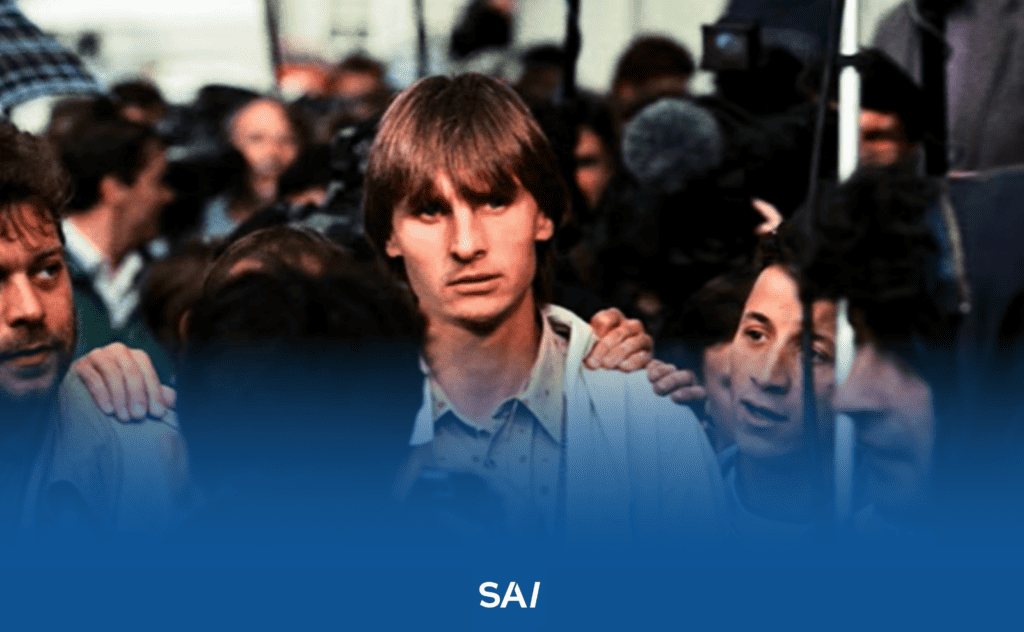
Directly implicated as general manager, Bernès saw his executive career come to an end. The VA-OM affair temporarily distanced him from the football world before he reinvented himself a few years later as a football agent.
After several difficult years, Jean-Pierre Bernès obtained his football agent licence from the French Football Federation (FFF) in 1999. He then founded Foot Conseil, his representation agency, and relied on his close relationship with Alain Migliaccio — agent of Zinédine Zidane, Youri Djorkaeff and Laurent Blanc — to return to the world of professional football.
The first player signed by Jean-Pierre Bernès was Florian Maurice, the former Olympique de Marseille striker.
His rise within the football agent industry was then rapid. He was notably one of the first French agents to represent coaches as well as players. This enabled him to stand out from his competitors and build a management model that gave him influence across several levels of professional football.
Over the course of his career, Jean-Pierre Bernès has built one of the largest client portfolios in French football. He has notably represented several major figures in Ligue 1 in recent years, including both players and coaches.
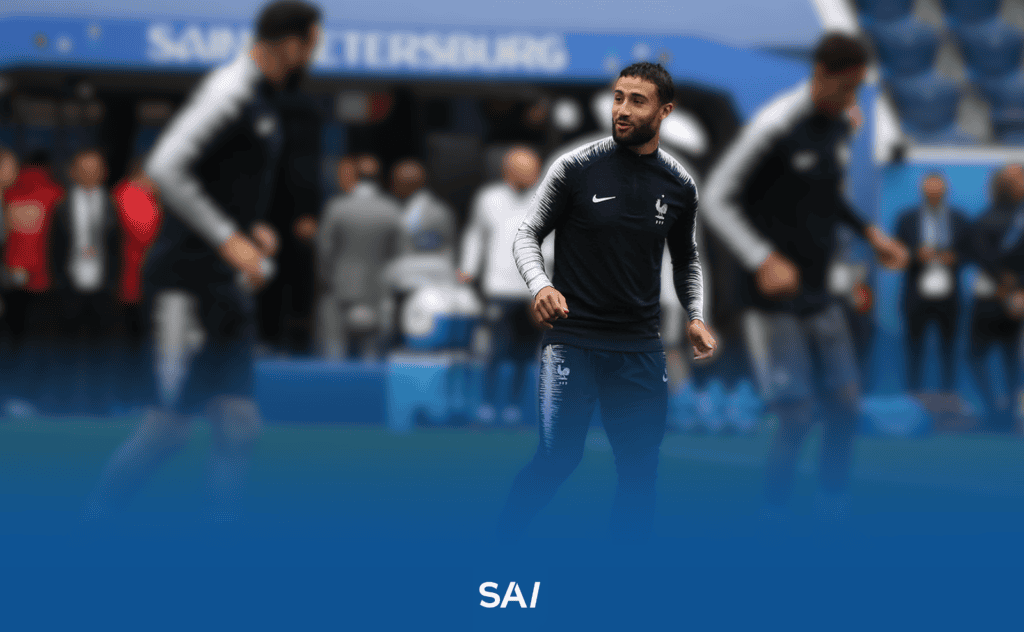
Winner of the 2018 World Cup, Nabil Fekir was represented by Jean-Pierre Bernès during his career. Their collaboration ended in 2019 following the collapse of his transfer to Liverpool in 2018, a situation that revealed disagreements between the player and his agent.
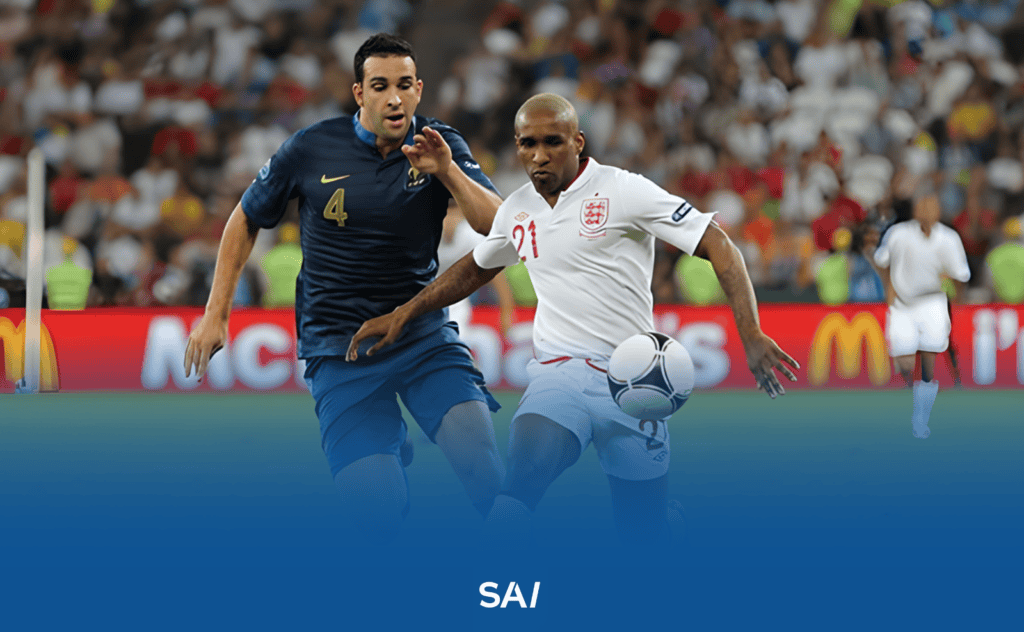
Also a member of France’s 2018 World Cup-winning squad, Adil Rami enjoyed a long career in Europe. His spells at several major European clubs illustrate Jean-Pierre Bernès’ expertise in long-term career management, with consistent club choices at each stage of his career.
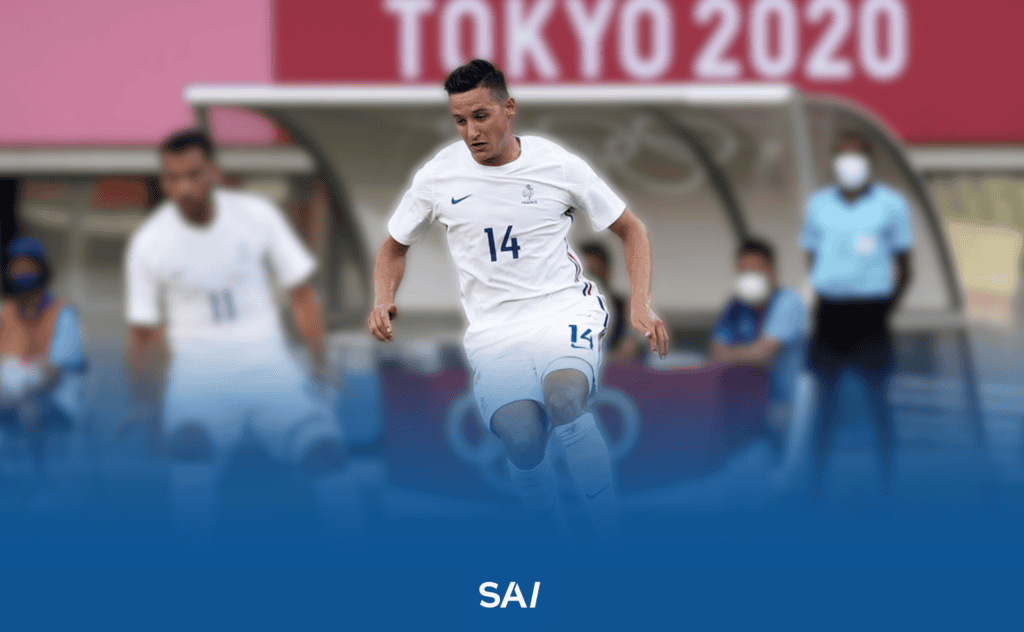
Another 2018 World Cup winner represented by Jean-Pierre Bernès, Florian Thauvin was a key player for Olympique de Marseille before a more difficult spell at Tigres UANL in Mexico. He is now one of the leading players at RC Lens.
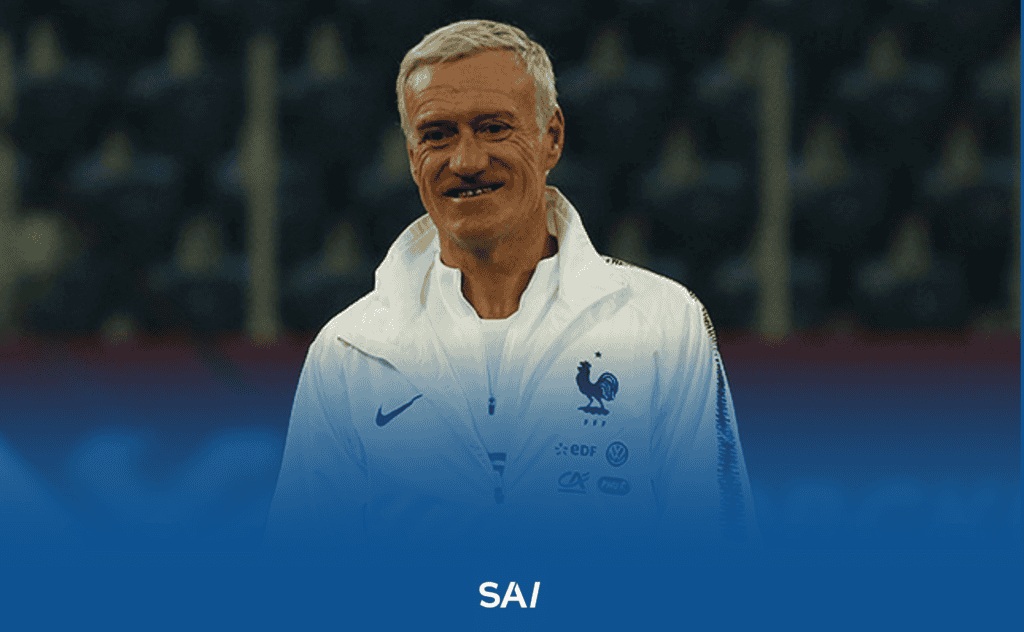
The relationship between Bernès and Didier Deschamps is one of the longest-standing partnerships of his career. From his early years at OM to his role as head coach of the French national team, Bernès has supported every stage of Deschamps’ managerial career, particularly in negotiations with the FFF.
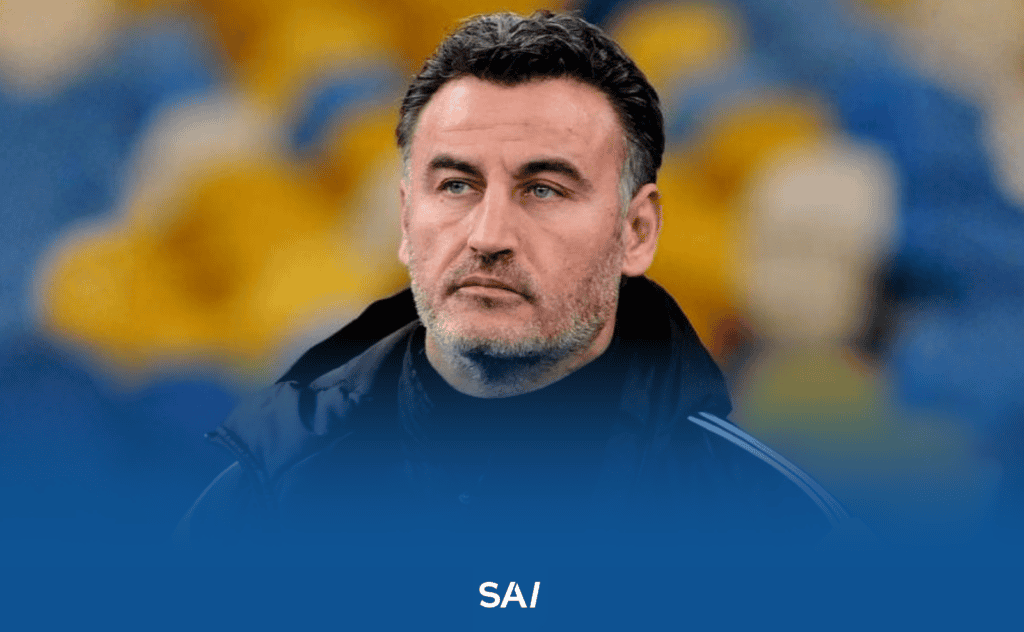
French champion with Lille in 2021, Christophe Galtier was also represented by Jean-Pierre Bernès. This dual representation model notably enabled Bernès to influence clubs’ sporting decisions, a practice now regulated under the FFAR.
The relationship between Bernès and Deschamps is built on a long-term collaboration. The two men met in the early 1990s, when Deschamps was still a player at OM. Bernès then supported him throughout his managerial career — at Juventus, at OM and then as head coach of the French national team since 2012 — by handling his contractual negotiations with the FFF.
This dual representation — managing both the national team coach and some of his players — has raised questions in the media, particularly during certain squad selections. The FFAR (FIFA Football Agent Regulations), which came into force on 1 October 2023, now strictly regulates this type of situation through rules relating to dual representation and conflicts of interest.
Jean-Pierre Bernès’ reputation has largely been built on his ability to negotiate high-profile transfers.
| Player | Transfer | Clubs Involved | Estimated Amount |
|---|---|---|---|
| Franck Ribéry | 2007 | OM to Bayern Munich | ~£26m |
| Samir Nasri | 2011 | Arsenal to Manchester City | ~£23m |
| Alou Diarra | 2010 | Bordeaux to OM | ~£4m |
| Nabil Fekir | 2019 | OL to Real Betis | ~£17m |
These transactions helped strengthen his reputation as a negotiator capable of handling complex deals, including at international level.
The split with Nabil Fekir in 2019, during which the player criticised Jean-Pierre Bernès for failing to defend his interests in the collapsed transfer to Liverpool, highlights the potential tensions involved in managing high-level careers.
Jean-Pierre Bernès built his career within a regulatory framework for football agents that was very different from today’s. The implementation of the FFAR (FIFA Football Agent Regulations) introduced new rules, particularly regarding commissions, licences and dual representation.
| Aspect of the Profession | Before the FFAR | Since the FFAR |
|---|---|---|
| Licence | Managed by each national federation | Standardised global FIFA exam |
| Player commission | Freely negotiated | Capped at 3% of gross annual salary |
| Transfer commission | Variable | Capped at 10% of the transfer fee |
| Dual representation | Common practice | Regulated and subject to strict conditions |
| Payment of commissions | Directly between parties | Via the FIFA Clearing House |
| Representation of minors | Lightly regulated | Mandatory training + FIFA Guardians rules |
The representation model that contributed to Jean-Pierre Bernès’ success was based on dual representation — representing both a coach and some of his players — a practice now heavily regulated under the FFAR.
These regulations impose strict conditions in cases of dual representation, including mandatory disclosure by the agent and limits on the commissions received.
Jean-Pierre Bernès obtained his licence by passing an oral exam at the headquarters of the FFF under a fully national system. Today, the FIFA agent exam is standardised for all candidates worldwide:
Jean-Pierre Bernès was the subject of several judicial and disciplinary proceedings during the 1990s in connection with cases linked to Olympique de Marseille.
In the VA-OM affair, Jean-Pierre Bernès did not contest his involvement in the alleged facts, according to his own public statements.
FIFA subsequently lifted his ban after he provided information about the way the club operated under Bernard Tapie, according to sports historian Stanislas Frenkiel.
Between 2010 and 2013, Jean-Pierre Bernès is believed to have generated around £2.7 million per year in commissions, placing him among the highest-paid football agents in Europe at the time. In 2016, the value of the players in his portfolio was estimated at around £64 million, illustrating the scale of his activity.
As with most football agents, his income is based on commissions, generally ranging between 3% and 10% of the contracts negotiated.
Although no official figure makes it possible to determine his exact wealth, these elements suggest that Jean-Pierre Bernès is among the French agents who have earned several million euros over the course of their careers.
Jean-Pierre Bernès occupies a unique place in the history of French football. First an executive at Olympique de Marseille during the Tapie era, he then went through a period marked by the VA-OM affair before successfully retraining as a football agent.
Over the years, he established himself as an influential figure in the transfer market, capable of managing the careers of high-level players and coaches while being involved in some of the most high-profile deals in French football.
Between success and controversy, Jean-Pierre Bernès remains an emblematic figure of the football agent profession. His career offers valuable insight into the evolution of the role of agents and the place they now occupy within the football economy.