Curtis Davies, from the Premier League to the business of football

Adviser to Ousmane Dembélé, Khvicha Kvaratskhelia and several French internationals, Moussa Sissoko is among the most influential agents in world football. Although he holds the FIFA agent licence, he cannot officially work in France, as he does not hold an FFF licence. A portrait of an exceptional agent, a list of his players and an explanation of a distinction that is essential for every FIFA exam candidate.
Last updated: 16/10/2026
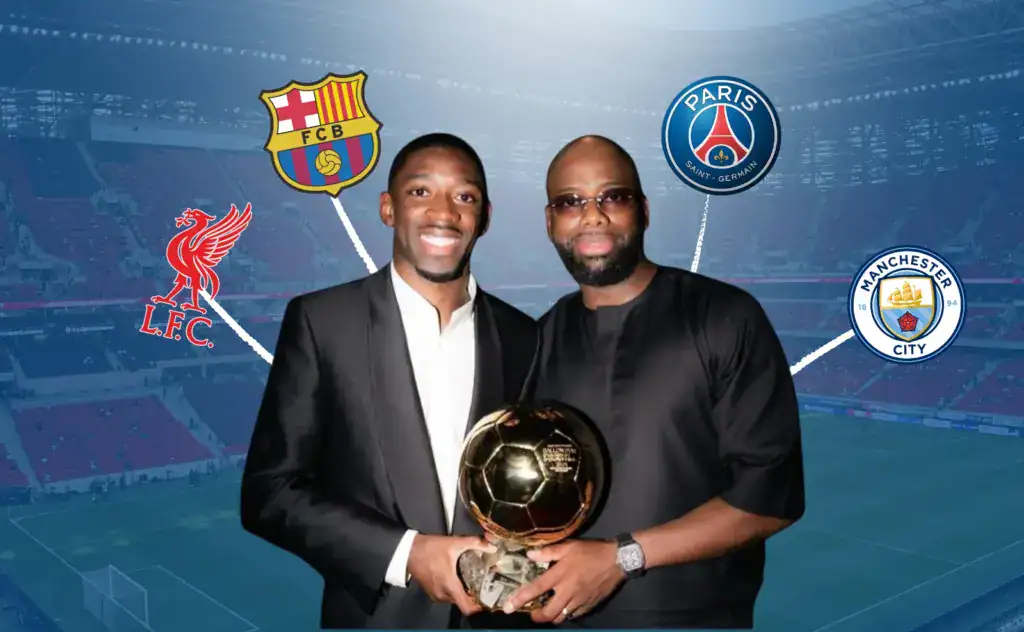
Ousmane Dembélé, Khvicha Kvaratskhelia, Désiré Doué, Rayan Cherki, Dayot Upamecano. All of them have entrusted their interests to Moussa Sissoko, a player agent who holds the FIFA agent licence. Yet in the French press, Moussa Sissoko, agent to all of these players, is almost always presented as an "adviser" and rarely as an agent.
The choice of this term stems from his situation in France, where he cannot officially work as an agent despite holding a FIFA licence. He is now challenging this situation before the European Court of Human Rights.
His career highlights a distinction that many candidates for the FIFA exam only discover late on: the one separating the FIFA agent licence from the sports agent licence issued by the French Football Federation (FFF).
Let us now take a closer look at who Moussa Sissoko is, which players he represents and why his FIFA agent licence does not allow him to work officially in France, before drawing the lessons of his career for aspiring agents.
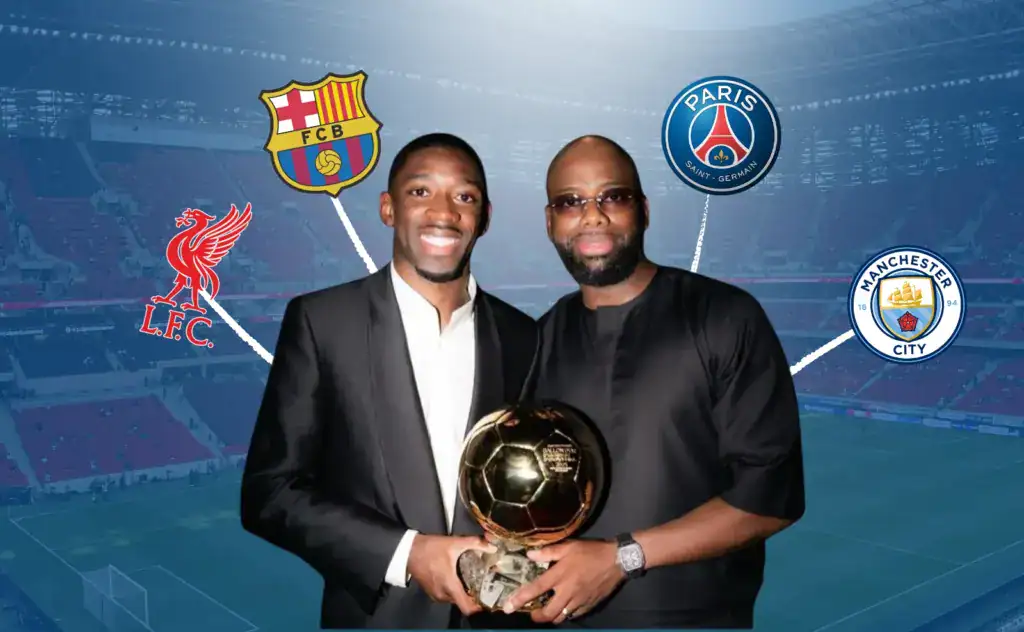
Moussa Sissoko is a French player agent, aged 42, from the Saint-Jean neighbourhood of Beauvais, in the Oise department. A French national of Malian descent, he has lived abroad for nearly fifteen years, according to his own statements to Foot Mercato.
Before turning to player representation, he worked as a youth coach at several amateur clubs in the Beauvais area, including Saint-Jean-de-Beauvais. It was on these pitches that he built the relationships with players and their families that later formed the foundation of his business, a path shared by other youth coaches and managers who have become agents and by former players who have retrained as FIFA agents.
His rise is inseparable from that of Ousmane Dembélé, whom he has supported since the very start of his professional career. In its 543rd Weekly Post, the CIES Football Observatory ranks MS Foot, Moussa Sissoko's agency, among the ten most powerful player agencies in the world, based on the cumulative transfer value of the players represented.
The similarity between the two names regularly causes confusion, particularly as the footballer Moussa Sissoko is also well known to the French public. A French international midfielder born on 16 August 1989 in Le Blanc-Mesnil, he came through the academy at Toulouse FC and went on to play for clubs including Newcastle United F.C., Tottenham Hotspur F.C. and Watford F.C., before joining Panathinaikos F.C. in 2026. A UEFA Euro 2016 finalist with France, he has 71 caps and has no connection whatsoever with the agent.
Yes, Moussa Sissoko does hold a FIFA agent licence, but he does not hold the sports agent licence issued by the FFF. He can therefore represent players internationally, but cannot officially work as a football agent in France.
He also says that he pays for his FIFA licence every year, which, according to his comments to Foot Mercato in March 2026, allows him "to work anywhere in the world except… in France". This annual renewal is capped at USD 300.
He is also registered as an agent with the English Football Association. The absence of an FFF licence explains why the French media most often present him as an "adviser".
The Moussa Sissoko agent portfolio stands out for its concentration of top-level attacking players, most of them French.
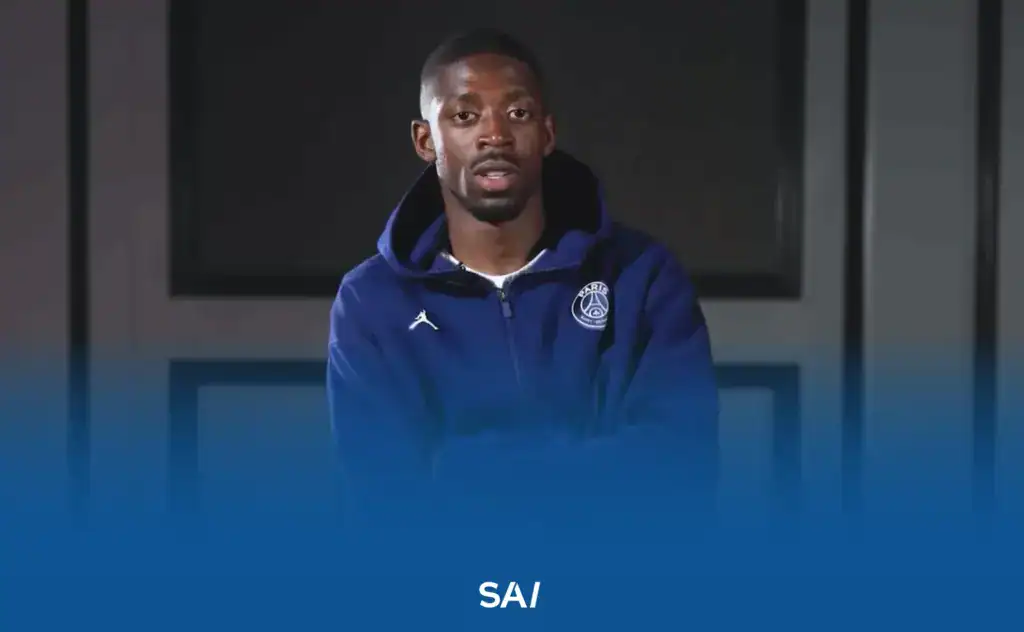
Yes, Moussa Sissoko is Ousmane Dembélé's long-standing agent and adviser. He has supported him since the very beginning, from Stade Rennais F.C. to Borussia Dortmund, and then through his transfer to FC Barcelona in 2017 for €105 million (£91 million), excluding bonuses.
In January 2022, with talks over extending his contract at Barça at a standstill, Moussa Sissoko publicly denounced on RMC the pressure being exerted by the club. Dembélé eventually signed an extension before joining Paris Saint-Germain F.C. in the summer of 2023.
In Paris, the winger won the 2025 Ballon d'Or, the crowning achievement of a collaboration of almost ten years with the same adviser.
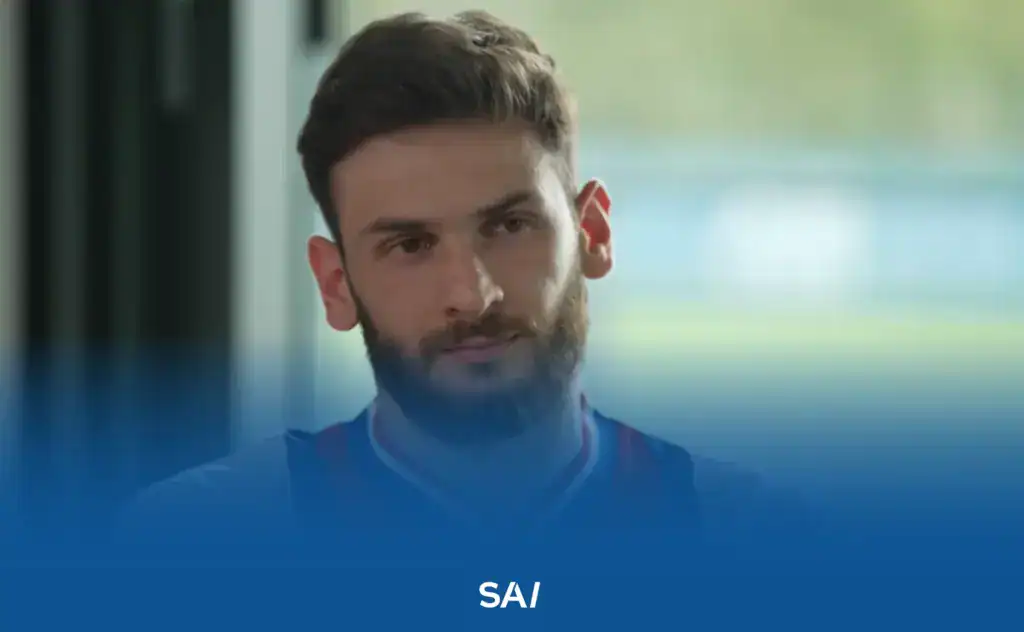
On 13 August 2026, Khvicha Kvaratskhelia agreed to be represented by Moussa Sissoko, according to Ben Jacobs and then Fabrizio Romano. The Georgian international ended his collaboration with Mamuka Jugeli, his long-time representative.
The signing comes at the peak of his career, as Kvaratskhelia has just been named the best player of the 2025–26 UEFA Champions League by UEFA, following PSG's second consecutive European title. He is also among the 30 players nominated for the 2026 Ballon d'Or, whose ceremony is scheduled for 26 October in London.
At the time of this signing, Moussa Sissoko therefore represented four PSG forwards, along with Ousmane Dembélé, Désiré Doué and Bradley Barcola, the latter having since joined Liverpool F.C.
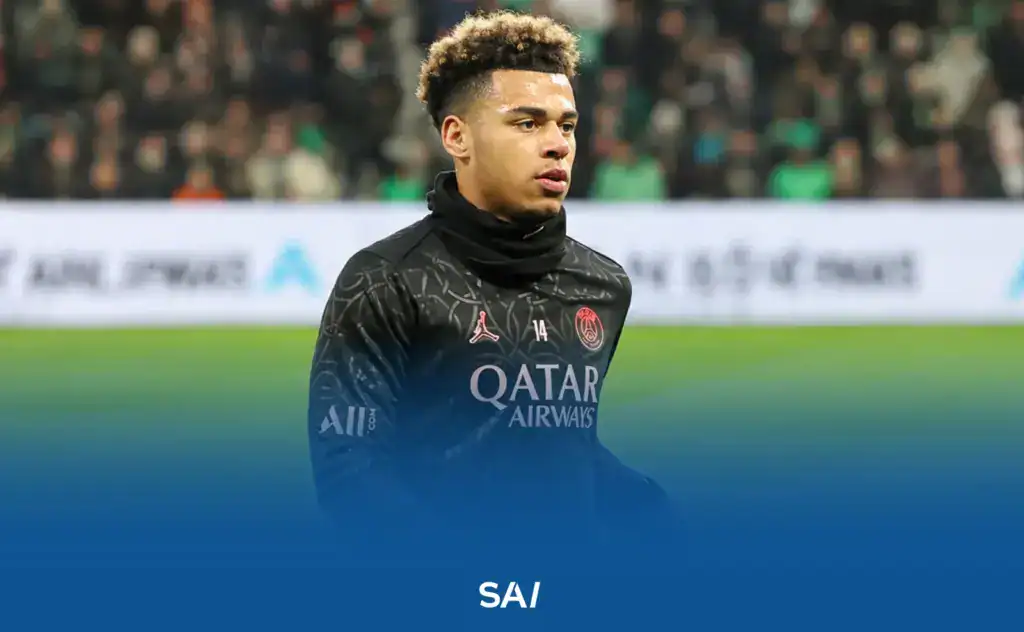
Désiré Doué represents the new generation of players supported by Moussa Sissoko. A product of the Stade Rennais academy, the winger joined PSG in the summer of 2024 for around €50 million (£43.5 million), according to the press, and quickly established himself among the most highly rated players in European football.
On 5 October 2026, against Belgium in the UEFA Nations League, he came on in the 72nd minute with Les Bleus trailing. Five minutes later, he equalised with a shot across goal, scoring his fourth goal in 19 caps. He then provided two assists and played his part in France's 4–1 victory at the Stade de France.
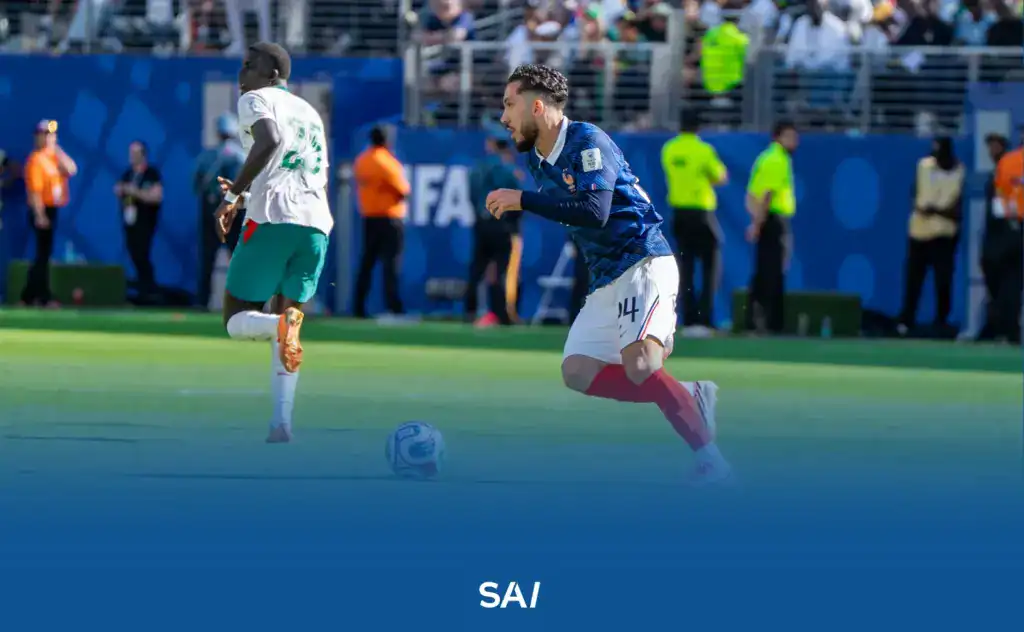
Rayan Cherki entrusted his interests to Moussa Sissoko in 2024, while still playing for Olympique Lyonnais. A year later, the playmaker joined Manchester City F.C. for around €36 million (£31 million), excluding bonuses, according to the press.
He also stood out in France v Belgium. Coming on in the 60th minute, he put Les Bleus ahead in the 81st minute from a pass by Michael Olise, four minutes after Désiré Doué's equaliser.
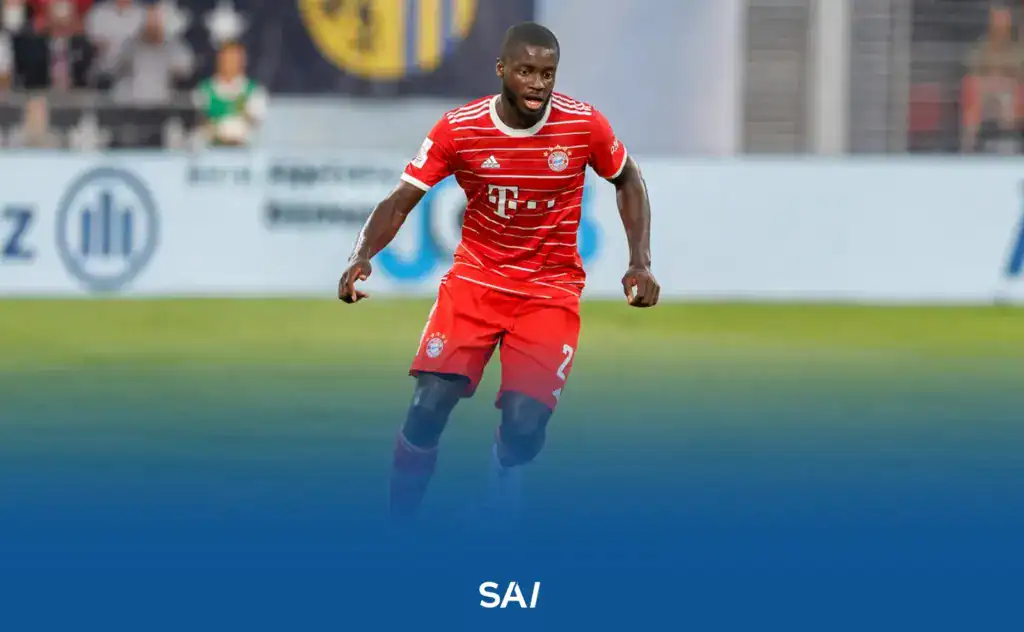
The FC Bayern München defender, who arrived from RB Leipzig in 2021, entrusted Moussa Sissoko with managing his future as he approached the end of his contract. The talks were long and tense, with Uli Hoeness publicly criticising the agent in Kicker in January 2026. Moussa Sissoko nevertheless saw the negotiations through to their conclusion. Upamecano extended his contract with Bayern until 2030, with, according to AFP, a substantial signing-on fee and a release clause active from 2027.
| Player | Position | Club | Key fact |
|---|---|---|---|
| Ousmane Dembélé | Winger | Paris Saint-Germain | 2025 Ballon d'Or |
| Khvicha Kvaratskhelia | Winger | Paris Saint-Germain | Represented since August 2026 |
| Désiré Doué | Winger | Paris Saint-Germain | Joined from Rennes in 2024 |
| Rayan Cherki | Playmaker | Manchester City | Joined from Lyon in 2025 |
| Dayot Upamecano | Centre-back | Bayern Munich | Contract extended until 2030 |
| Bradley Barcola | Winger | Liverpool | Transferred from PSG in August 2026 |
| Randal Kolo Muani | Striker | Juventus FC | Transferred from Eintracht Frankfurt to PSG in 2023 |
| Eli Junior Kroupi | Striker | AFC Bournemouth | Represented by Moussa Sissoko since 2026 |
Moussa Sissoko cannot officially work in France because he does not hold the FFF sports agent licence, the only licence that authorises domestic transactions. According to him, his French nationality and his residence abroad prevent him from getting around this obstacle through the routes open to foreign agents.
Since the 2023 reform, the FIFA Football Agent Regulations (FFAR) have governed transactions with an international dimension. Purely domestic transactions remain subject to each country's own rules. In France, the Code du sport (French Sports Code) reserves sports agent activity for holders of a licence issued by the delegated federation, which for football is the FFF.
| Criterion | FIFA agent licence | FFF sports agent licence |
|---|---|---|
| Issuing authority | FIFA | French Football Federation |
| Key regulatory text | FFAR | French Sports Code and FFF regulations |
| Transactions covered | International transfers | Transactions on French territory |
| How to obtain it | Online exam of 20 questions in 60 minutes, 75% pass mark | Exam organised by the FFF |
| Maintaining it | Annual fee and continuing professional development | In accordance with the federation's regulations in force |
An agent wishing to work on a transfer between two French clubs must therefore, in principle, hold the FFF sports agent licence.
The law provides pathways for foreign agents who are not licensed in France. An agent who is a national of a country outside the European Union can, for example, conclude a presentation agreement (convention de présentation) with an FFF-licensed agent and work alongside them.
Moussa Sissoko explains that this route is closed to him. Unlike a foreign agent, he cannot conclude such an agreement with an FFF-licensed agent because of his French passport. In July 2023, the Administrative Court of Paris upheld the FFF's refusal to register agreements of this kind that he had signed in 2021.
According to Moussa Sissoko, his registration for the FFF agent exam was also refused on the grounds that he did not meet the residence requirement in France, a situation that he himself finds particularly difficult to understand.
At the end of March 2026, L'Équipe revealed that Moussa Sissoko had lodged an application with the European Court of Human Rights. His lawyer, Matthieu Barandas, denounces an anachronistic system and a form of reverse discrimination against a French national.
The FFF, for its part, applies the framework laid down by the French Sports Code, and its interpretation has been upheld by the administrative courts. The dispute has not yet been resolved.

The FIFA licence is not equivalent to a national licence. Each federation governs domestic transactions and sets its own access requirements, which are subject to change.
His situation remains exceptional, but it reminds every FIFA agent exam candidate to check what the FIFA licence covers, and what it does not.
A few key points are worth bearing in mind for an aspiring agent based in France.
These points come on top of the requirements to become an agent set by FIFA, without calling into question the value of the international licence.
This career shows, first of all, that an established network built at grassroots level remains a decisive asset, both for developing a client base and for a player agent's earnings. The contrast is stark in a market where only 1,559 agents received service fees from clubs in 2025, out of more than 10,000 licence holders. Having started out at an amateur club in Beauvais, Moussa Sissoko now advises a Ballon d'Or winner. The loyalty of his clients over time, starting with Ousmane Dembélé, speaks volumes about the relational dimension of the sports agent profession.
His case also shows that the legal framework determines how the profession can be practised. A thorough command of FIFA regulations is essential, but understanding how they interact with national rules is just as important.
The outcome of the proceedings before the European Court of Human Rights could, in time, change how these rules interact in France. In the meantime, the FIFA agent licence remains the essential starting point for any aspiring agent, and our tips for passing the FIFA agent exam will help you prepare for it.